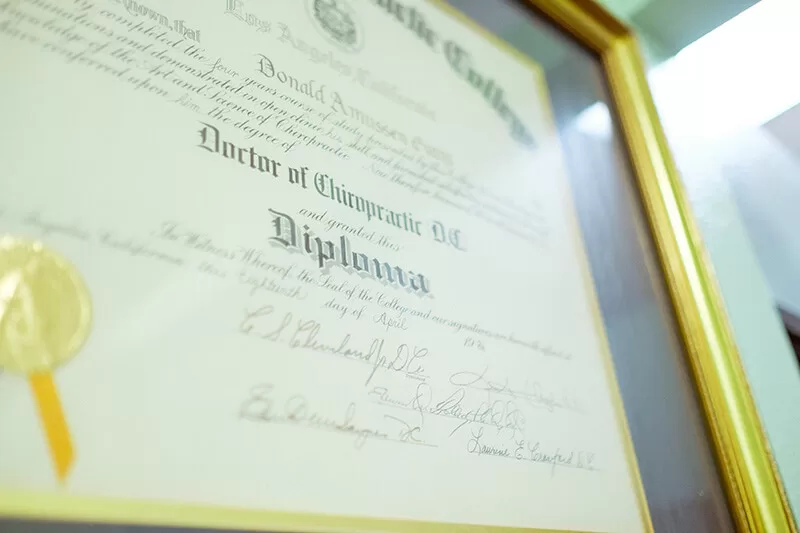
How Can You Tell If a High School Diploma Is Real or Fake?

Real or Fake diploma

Real or Fake diploma

A fake diploma is a replica document made to look like an authentic academic certificate. It can be produced for novelty, replacement, or display purposes. While some are used for legitimate personal reasons (like replacing a lost original), others may be created to deceive, which is why knowing how to tell if a diploma is real or fake is important.

High-quality replicas, also called realistic diplomas, often include accurate seals, signatures, and layouts that match the genuine document. However, there are still key signs that can help you identify whether a diploma is authentic or not.

Why It’s Important to Verify a High School Diploma

Diplomas are more than just paper — they are proof of completing an educational program. Colleges, employers, and licensing boards often require verification before admitting or hiring someone. The rise of online printing services and diploma mills means it’s easier than ever to buy a fake diploma, making verification essential.


Common Signs of a Fake Diploma

Even the most realistic diplomas can have small flaws. Here’s what to look for:

1. Check the Institution’s Name

  • Look for misspellings, outdated names, or slight differences in wording.

  • Fake degrees sometimes use names similar to real schools but with a twist (e.g., “Havard” instead of “Harvard”).

2. Inspect the Paper Quality

  • Real diplomas are printed on high-quality parchment or heavy cardstock.

  • Cheap, thin paper can be a giveaway of a fake diploma.

3. Review the Seal and Logo

  • Authentic diplomas feature embossed, foil, or raised seals.

  • A printed seal without texture or shine may indicate it’s fake.

4. Check for Official Signatures

  • Diplomas usually have signatures from the school principal, superintendent, or board members.

  • On a fake, these may be blurry, pixelated, or printed instead of signed.

5. Look at the Graduation Date

  • Some fake degrees contain impossible dates, like weekends or holidays that don’t match the school calendar.

6. Verify With the School or District

  • The most reliable way to confirm authenticity is to contact the issuing school or district records office.

  • They can confirm whether the student graduated and when.


Why People Buy Fake Diplomas

Not everyone who gets a fake diploma intends to commit fraud. Common reasons include:

  • Replacing a Lost or Damaged Diploma – Original diplomas can be lost in moves, fires, or floods. Ordering a replacement degree can help for display purposes.

  • Personal Display Without Risk – Keep the original stored away and hang a realistic diploma in your office.

  • Props for Film or Theater – Fake diplomas are often used as set decorations.

  • Novelty or Gag Gifts – Fun for graduation parties or as a humorous gift for friends.


How to Buy Fake Diploma Safely

If you’re wondering how to buy fake diploma without crossing legal or ethical lines, here’s the right approach:

  1. Choose a Reputable Provider – Look for companies that offer high-quality, realistic replicas for novelty and display purposes only.

  2. Customize the Details – Include your name, school name, graduation date, and any honors.

  3. Request a Proof – Always review a preview before printing.

  4. Use for Legal Purposes – Display, personal keepsakes, and media props are fine. Using it to mislead employers or schools is illegal.


Real vs. Fake: Quick Comparison Table

Feature Real Diploma Fake Diploma (Low Quality) Fake Diploma (High Quality / Realistic)
Paper Quality Heavy parchment or cardstock Thin, standard printer paper High-grade paper, textured
Seal Embossed, foil, or raised Flat printed image Foil or embossed seal replica
Signatures Original or high-quality printed from master Blurry, low-resolution Clear, crisp, accurate signature replication
Institution Name Exact and official Misspelled or altered Matches real name exactly
Verification Confirmed by school records Cannot be verified Cannot be verified (for novelty only)